

From data to decisions: FishEBM MED helps drive SoMFi 2025’s record sustainability gains
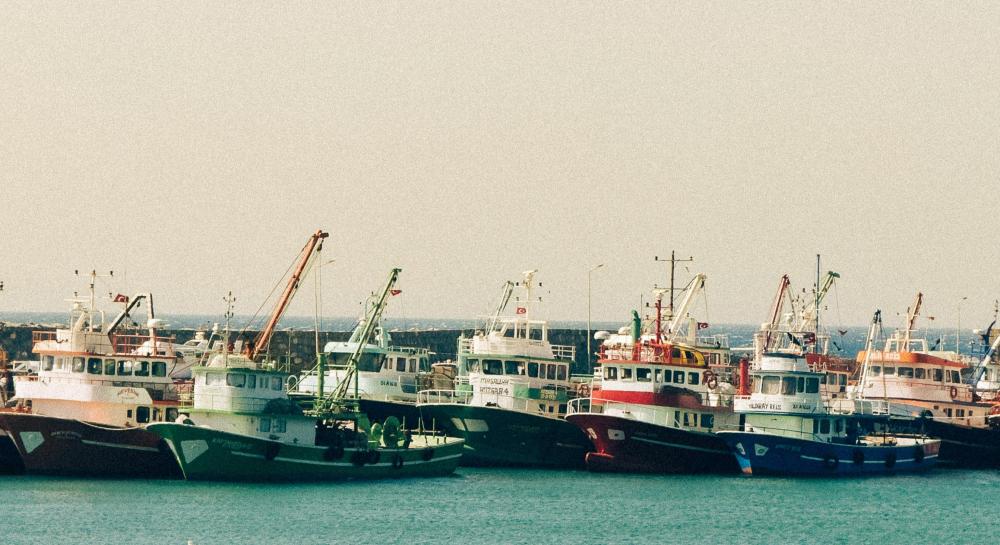
On 28 November 2025, the General Fisheries Commission for the Mediterranean (GFCM) released the 2025 edition of The State of Mediterranean and Black Sea Fisheries (SoMFi), FAO’s flagship reference for tracking sustainability trends in the region. The report signals unprecedented progress in science-based management: the share of assessed stocks facing overexploitation fell to 52%, down from 87% in 2013, supported by an expanded assessment covering 120 stocks, a 50% reduction in fishing pressure over the decade, and a 25% increase in biomass for assessed commercial species.
These outcomes reflect a shift that FishEBM MED is designed to accelerate: better data, stronger management processes, and practical ecosystem-based measures that can be implemented and enforced. FishEBM MED is a Global Environment Facility (GEF)-funded initiative implemented by FAO and UNEP and executed by GFCM together with UNEP/MAP and SPA/RAC. It runs 2023–2026, with beneficiaries including Albania, Algeria, Bosnia and Herzegovina, Lebanon, Libya, Montenegro, Morocco, Tunisia and Türkiye, and supports a more participatory, ecosystem-based approach to fisheries management while strengthening compliance and knowledge management for outscaling.
In practice, FishEBM MED and its sister project in the Black Sea have strengthened the foundations that make SoMFi’s results possible: improving stock assessment and management workflows, filling key gaps in socioeconomic evidence, advancing work on bycatch and interactions with vulnerable species, and expanding the evidence base for spatial measures such as fisheries restricted areas. A notable example is the Otranto Channel Fisheries Restricted Area, established in November 2024 and entering into force in April 2025, which contributes to wider coverage of fisheries-restricted areas and protection of vulnerable marine ecosystems.
SoMFi 2025 is also a reminder that progress is real but not yet sufficient: with around half of assessed stocks still overexploited, sustaining and scaling gains will depend on continued investment in science, stronger compliance, and coordinated regional action that keeps pace with climate and ecosystem pressures.
While The State of Mediterranean and Black Sea Fisheries 2025 is a regional assessment led by FAO–GFCM, the results it documents are closely aligned with the objectives and geographic scope of the UNEP/MAP–GEF MedProgramme.
FishEBM MED, implemented in partnership with UNEP/MAP and SPA/RAC and covering several MedProgramme beneficiary countries, strengthens the same enabling conditions on which the Programme depends: robust scientific evidence, ecosystem-based management tools, regional cooperation, and stakeholder engagement. By improving data quality, supporting spatial and management measures, and reinforcing compliance and socioeconomic analysis, FishEBM MED contributes to a shared regional knowledge base that underpins MedProgramme interventions and supports their replication and scaling. This demonstrates the critical role of coordinated regional initiatives in delivering measurable progress at sea, while ensuring that national and local actions under the MedProgramme are anchored in credible science, coherent governance frameworks, and a common Mediterranean vision for sustainable fisheries and a resilient blue economy.