


Libya Advances Its Post-2020 Marine Protection Strategy
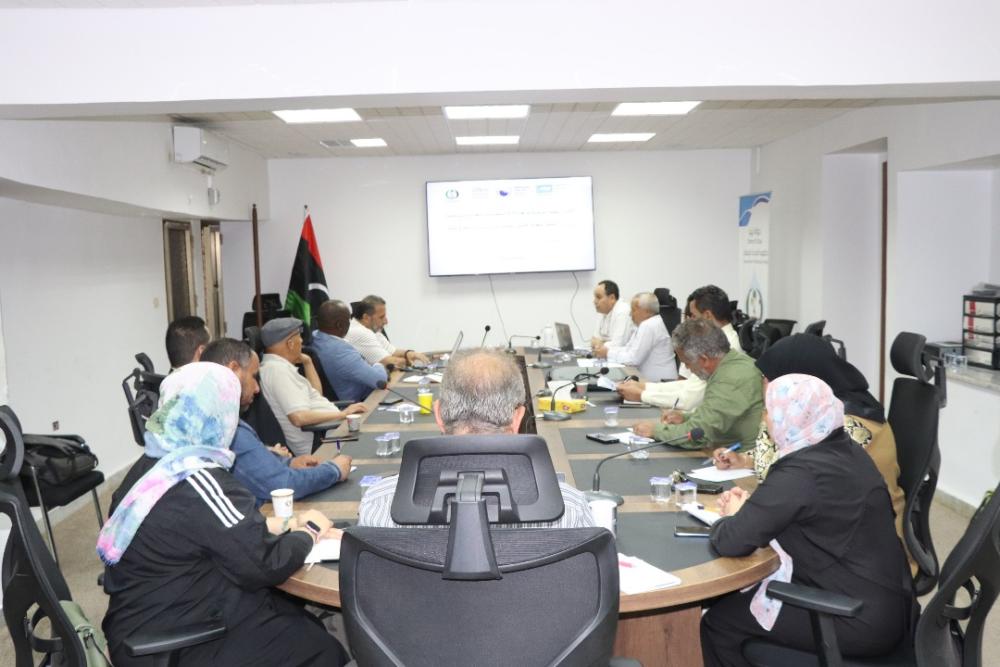
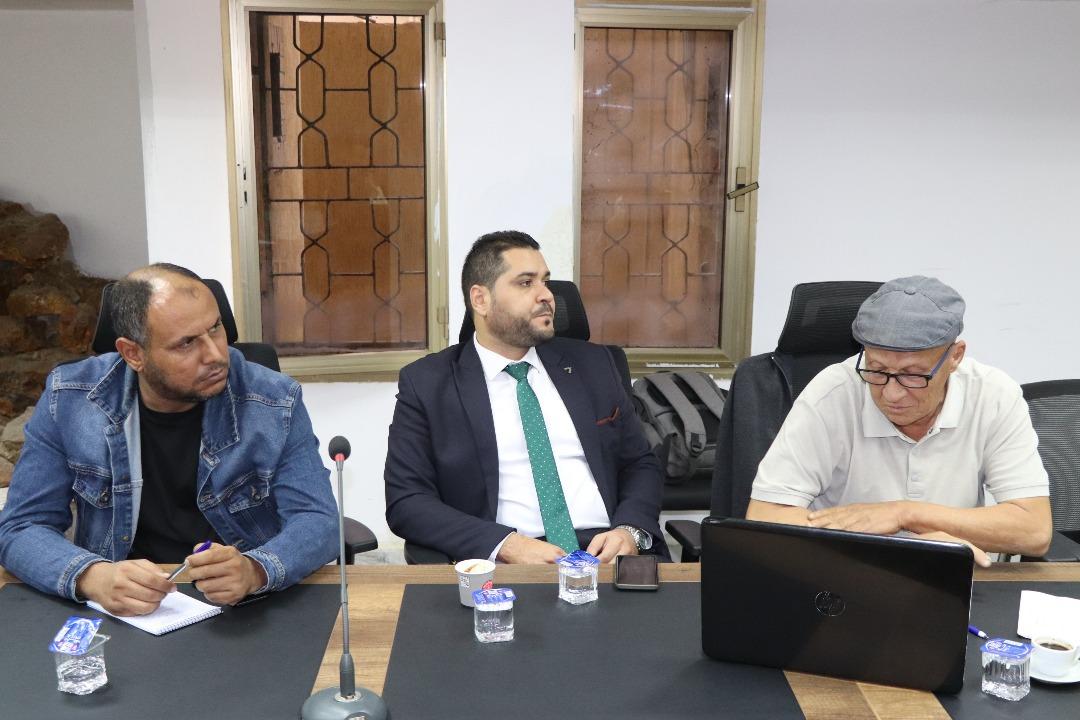
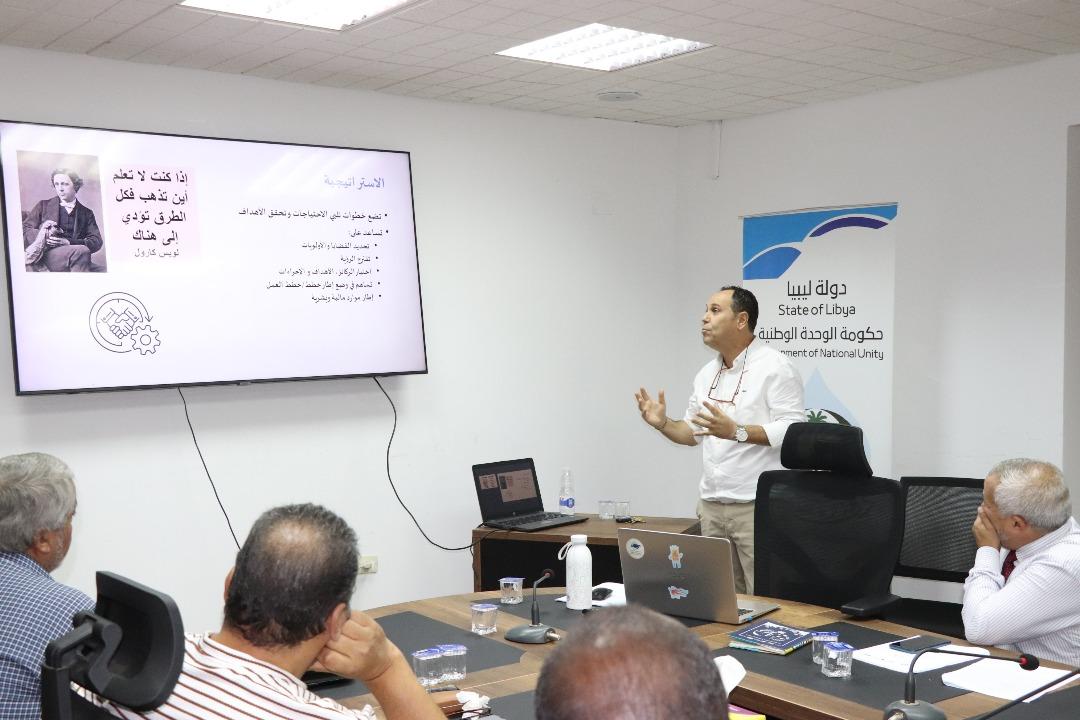
The Ministry of Environment convened a national consultation in Tripoli to refine the National Post-2020 Strategy for Marine and Coastal Protected Areas and OECMs, developed under MedProgramme Child Project 3.1. The meeting brought together institutions, technical experts, and civil-society representatives to confirm the strategy’s vision, main pillars, and strategic objectives.
The consultation builds on substantial groundwork already completed by CP 3.1 as the project has achieved around seventy-three per cent of its targets, including the finalisation of the draft Law on Protected Areas, the completion of Libya’s legal and institutional framework for MCPAs, and the launch of the post-2020 MCPA Strategy. These elements provide the policy base the consultation aimed to consolidate.
Technical discussions drew on verified scientific baselines: a national inventory of twenty-six key conservation sites, and detailed assessments of Farwa Lagoon, Garah Island, and Ain El-Ghezala, Libya’s three pilot Marine Protected Areas. These datasets underpin evidence-based prioritisation and alignment with Barcelona Convention and Global Biodiversity Framework commitments.
Stakeholder participation was a notable feature. Libyan civil-society organisations of which eight were engaged and trained under CP 3.1 have contributed insights on local management, governance needs, and long-term sustainability. Participants underscored the importance of coherent national coordination, management effectiveness, and stronger monitoring of key marine habitats.
The meeting concluded with consensus on the strategic direction, allowing the drafting process to advance toward finalisation. Once adopted, the strategy is expected to guide the expansion and effective management of Libya’s MPA network, support habitat and megafauna monitoring, and inform future investment and capacity-building.
For the MedProgramme, the consultation represents clear progress toward Outcome 7, confirming national ownership and reinforcing Libya’s capacity to strengthen marine conservation despite a complex operating environment. The meeting’s documentation and images capture this convergence of policy, science, and institutional commitment—an important step in shaping Libya’s coastal governance in the decade ahead.