



Women Shaping a Resilient Mediterranean
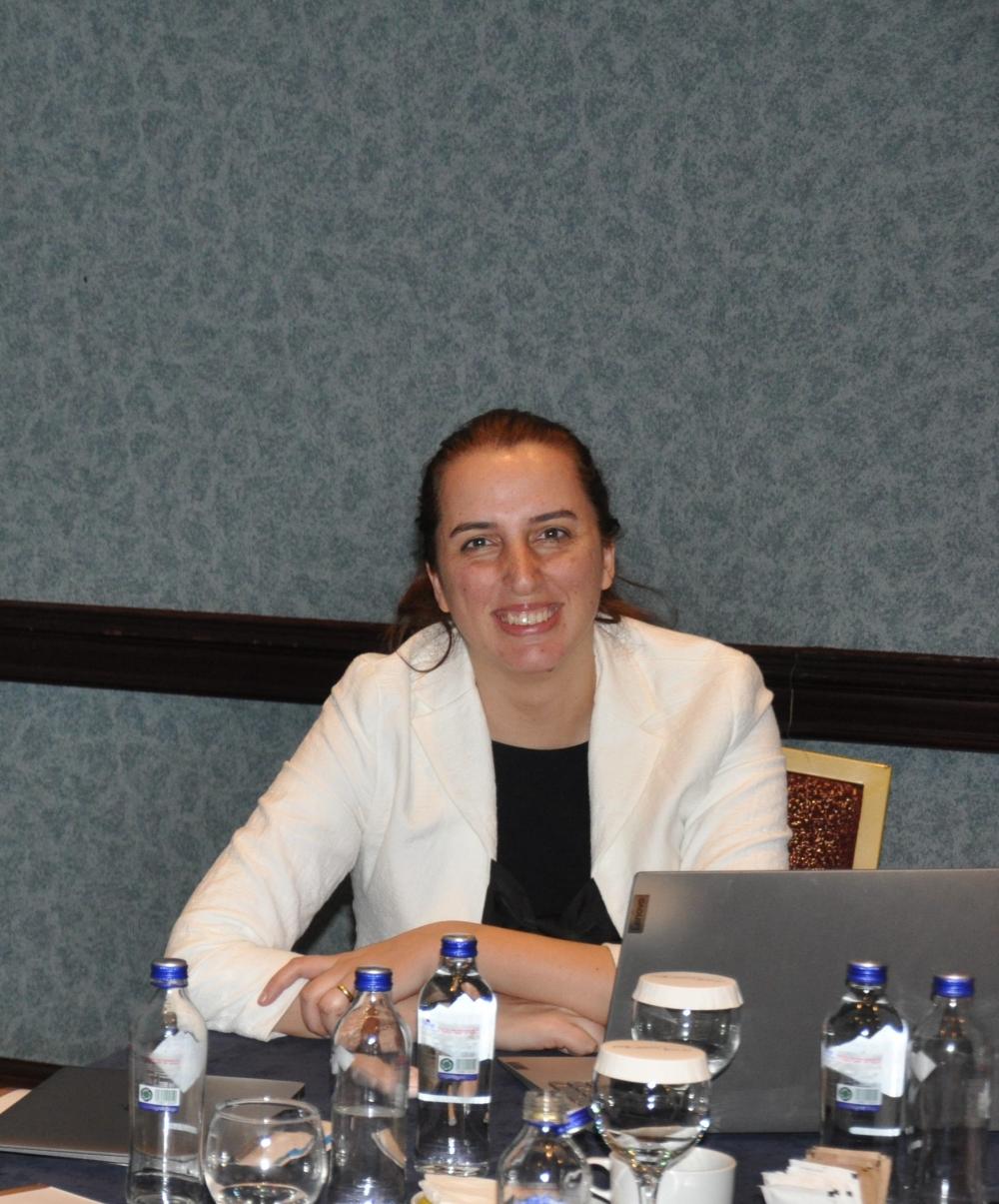
Across the Mediterranean, environmental challenges and climate impacts are experienced differently by women and men, shaped by traditional roles, access to resources and participation in decision-making. The MedProgramme therefore integrates gender equality across its activities, promoting inclusive stakeholder engagement, gender-sensitive assessments and stronger participation of women in environmental governance. In this issue, we speak with Senem Elcin Berber, Gender Specialist of the MedProgramme, about why gender matters for protecting the Mediterranean Sea and how the Programme is working to ensure that environmental solutions benefit everyone.
The Mediterranean is facing significant environmental pressures, from pollution and biodiversity loss to water scarcity and climate change. Why is gender equality important in addressing these challenges?
Environmental challenges affect communities differently, and gender is an invisible part of that picture. In many affected areas of the Mediterranean, women play key roles in managing and using natural resources, contributing to socio-economy especially in fisheries, agriculture, tourism and chemicals-related sectors.. At the same time, they often face barriers to having their work recognised across sectors and to participating in decision-making processes and access to finance.
Integrating gender considerations into environmental programmes allows us to understand these dynamics and ensure that solutions work for everyone. When women are actively involved in planning and decision-making, environmental interventions tend to be more inclusive, more effective and more sustainable.
How is gender equality integrated into the MedProgramme?
Gender equality is embedded across the MedProgramme through a number of theoretical and practical measures. We work with project teams and national counterparts to ensure that gender perspectives are included in project design, implementation and monitoring. This includes conducting gender assessments, encouraging the collection of gender-disaggregated data, visibility and promoting inclusive stakeholder engagement.
Another important element is strengthening capacity among partners and institutions. Through training, guidance and the Gender Community of Practice, we support colleagues across the Programme in understanding how gender considerations can be integrated into environmental policies and projects.
Can you share an example of how gender considerations influence work on the ground?
One example comes from coastal climate adaptation activities where gender-sensitive climate risk assessments are being carried out. These assessments examine how climate impacts such as sea-level rise, flooding or water scarcity affect different groups within coastal communities.
By understanding how women and men experience these risks differently, adaptation strategies can be designed in ways that respond to real needs. For example, adaptation planning can take into account livelihoods, access to information and participation in local governance processes. This helps ensure that climate resilience measures benefit the entire community.
What role do women play in environmental leadership in the Mediterranean region?
Across the Mediterranean, we see women contributing to environmental protection in many ways. Women are scientists, policymakers, community leaders and entrepreneurs working to protect natural resources and strengthen local economies.
In many cases, women also play a crucial role in passing knowledge between generations and maintaining connections between communities and ecosystems. Recognising and supporting this leadership is essential for building resilient coastal and marine systems.
MedProgramme strives to highlight and recognise the contributions of women living in the Mediterranean region to the protection of the environment and their communities. Achieving environmental sustainability and gender equality are closely linked.
We believe that as a women’s distinct needs and proposed solutions become more visible in environmental protection activities, and as their participation in decision-making processes is strengthened, overcoming environmental challenges will become more realistic and robust.