


Tuzla’s HAK-1 from concern to readiness From legacy mercury risk to a plan for action
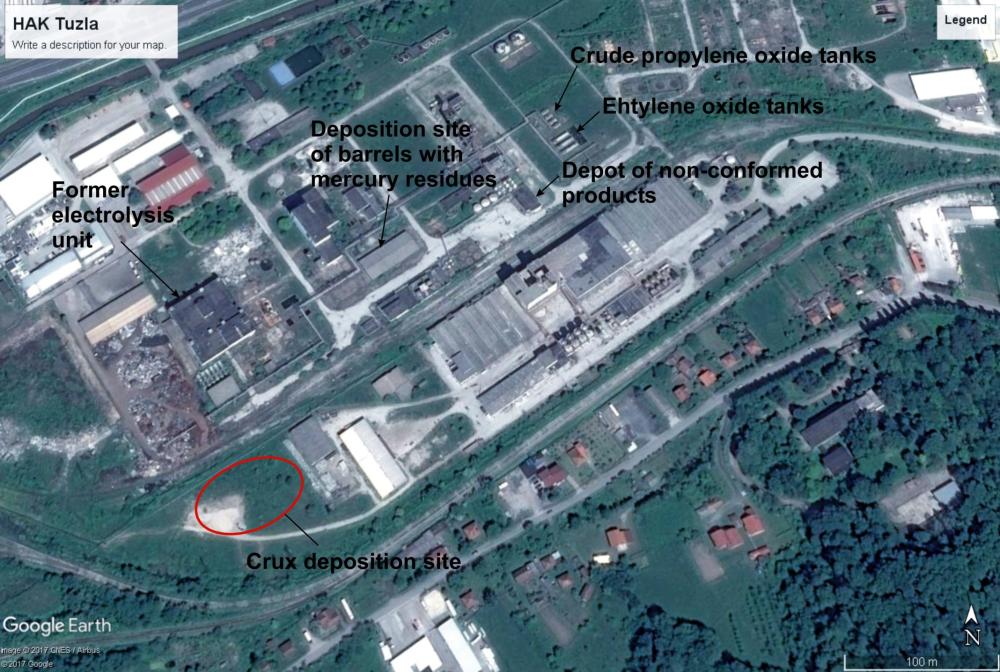
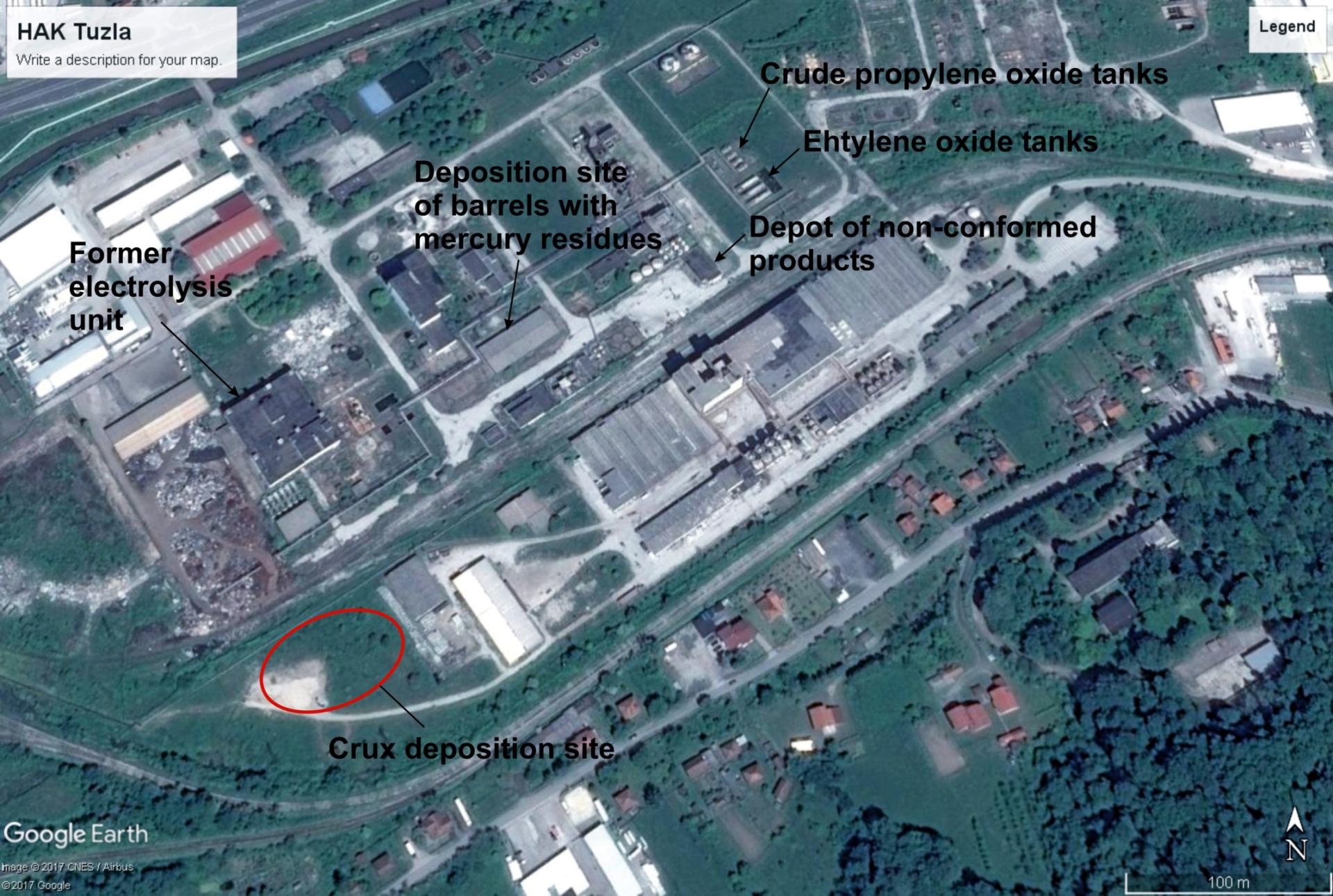
On the outskirts of Tuzla, where the city meets the Jala River, the former HAK-1 chlor-alkali complex sits quietly among roads, housing and infrastructure that serve a city of around 200,000 people almost the half of the population of the northeastern Bosnia and Herzegovina. For decades, this landscape powered Tuzla’s economy. Long after production stopped, it also carried one of its most persistent environmental risks.
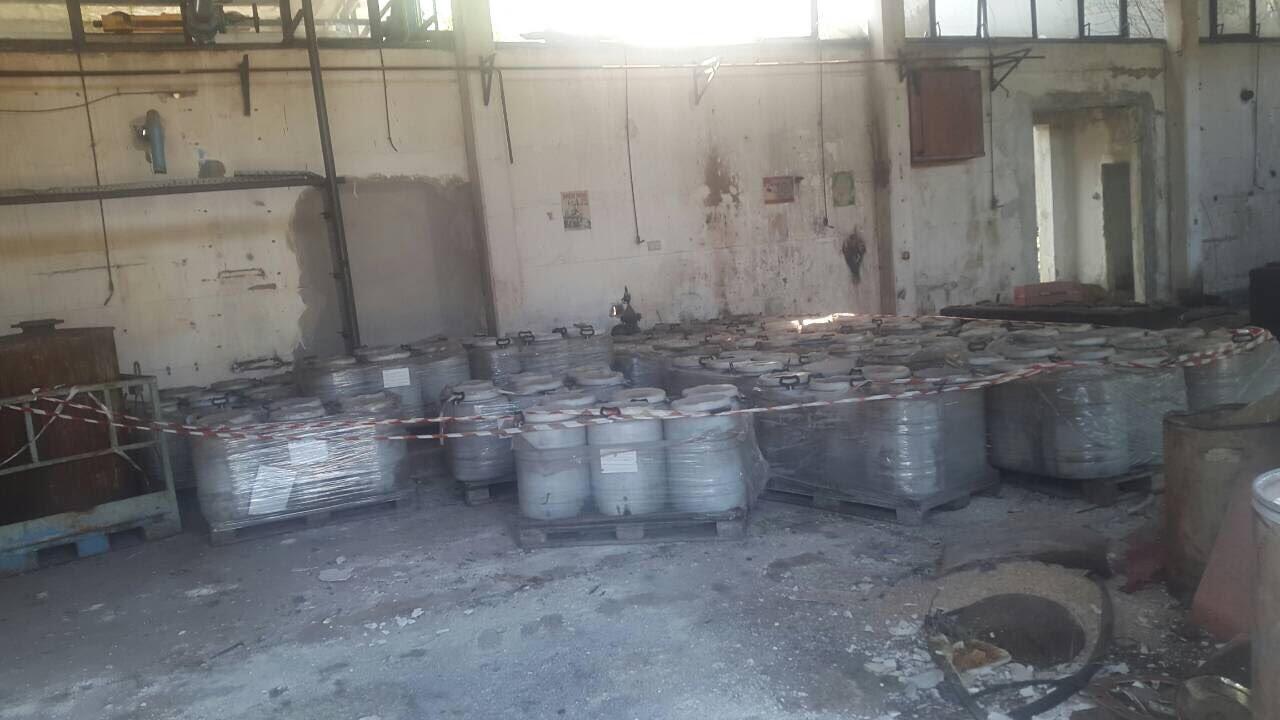
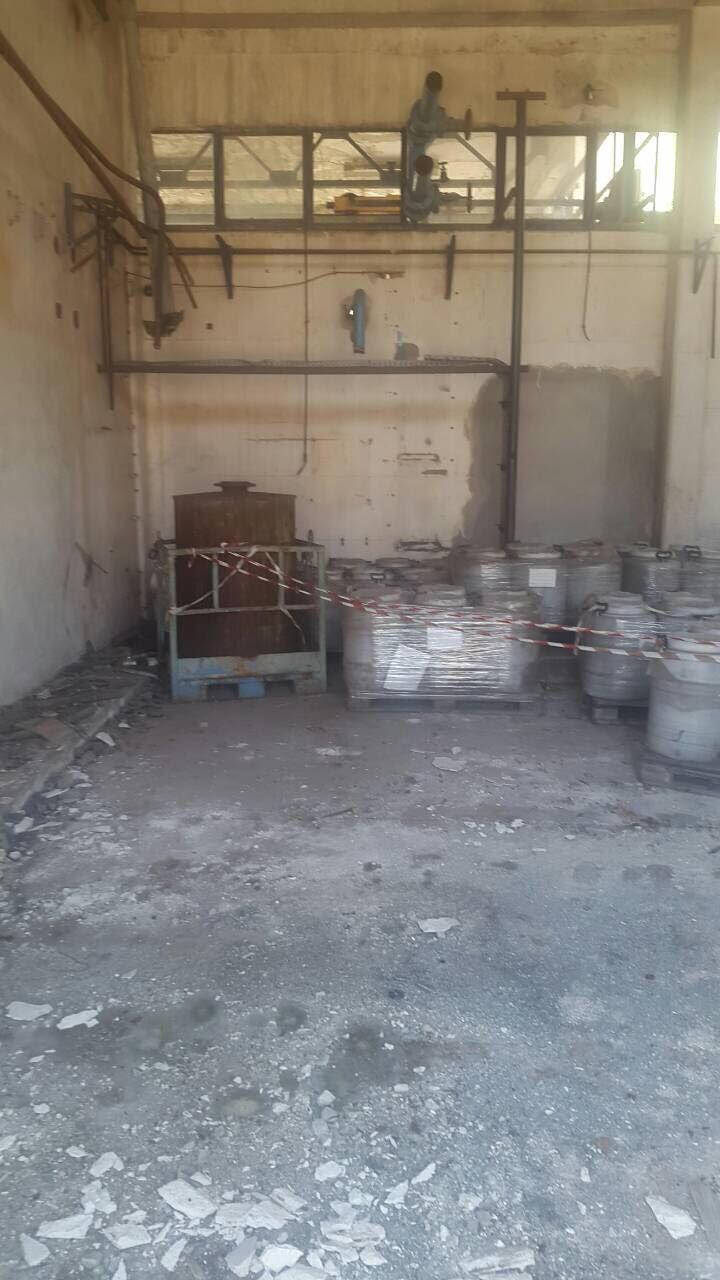
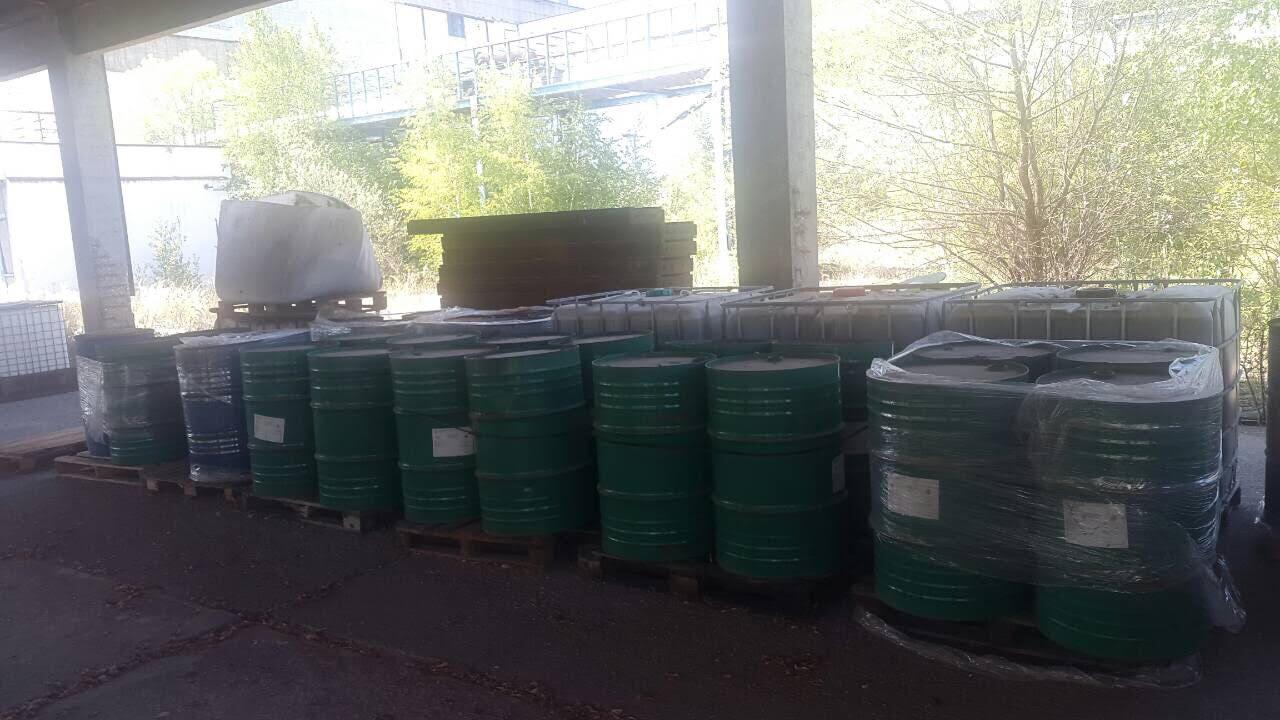
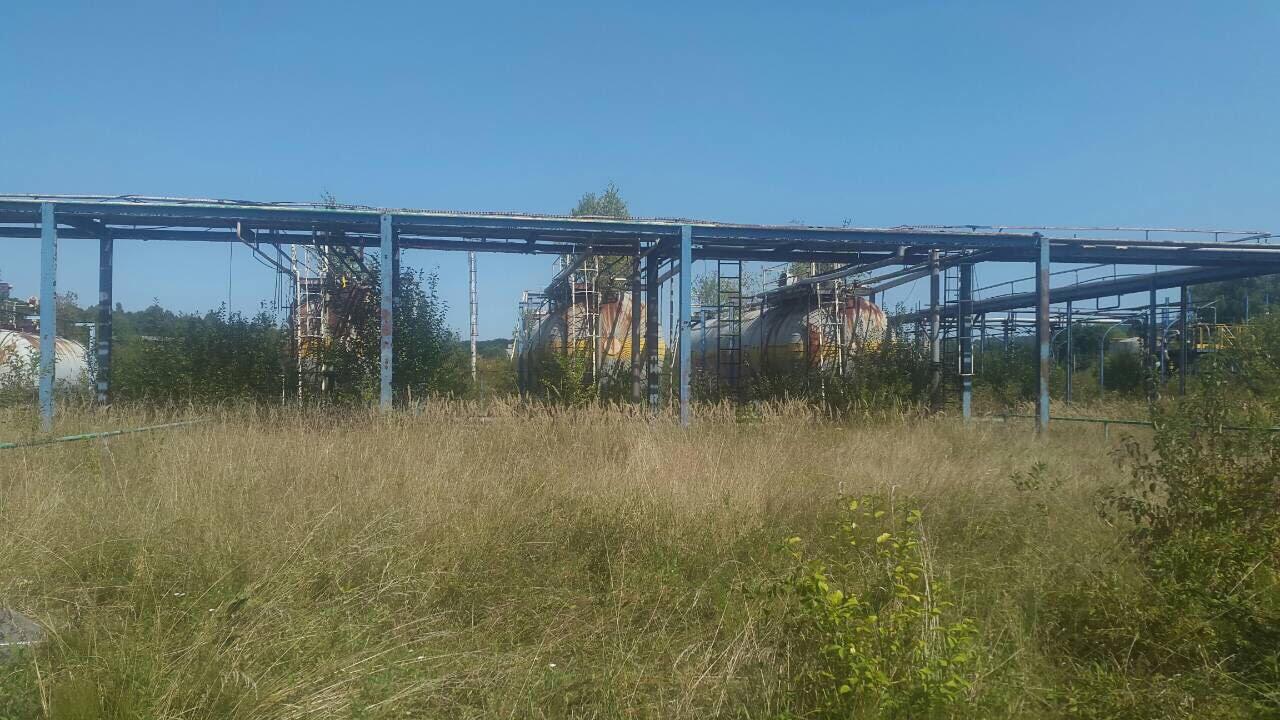
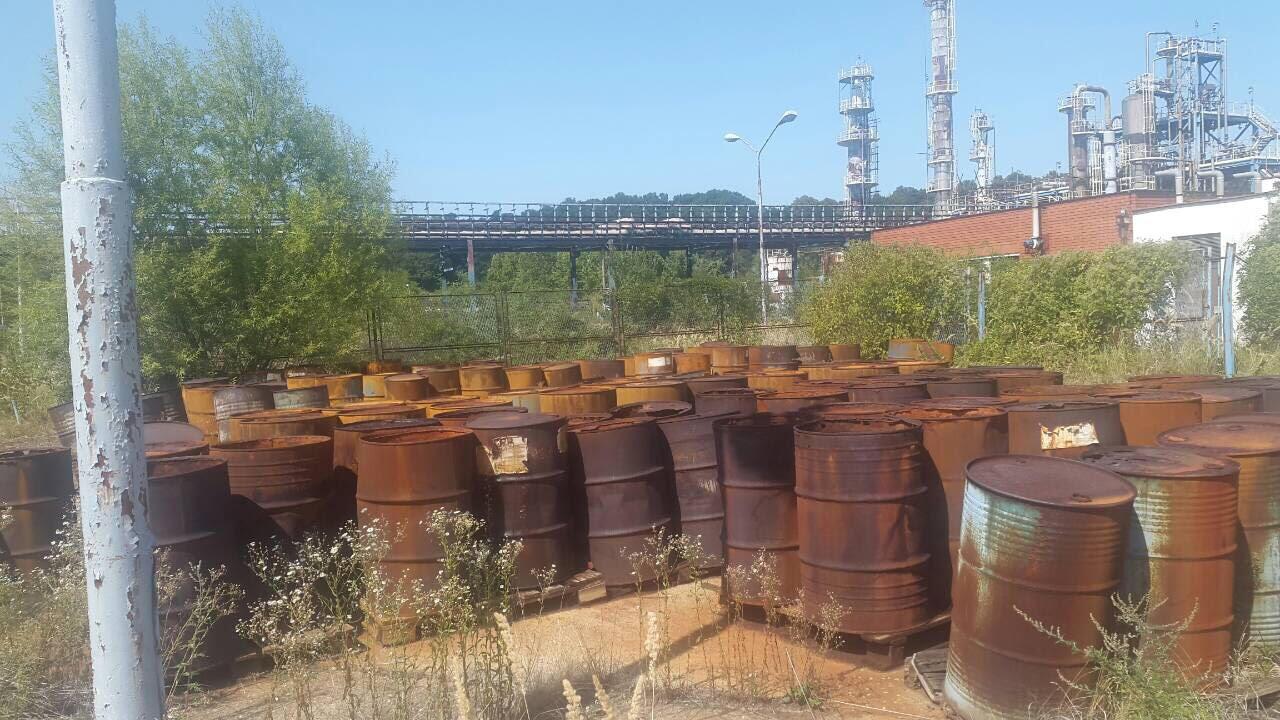
Built in the 1970s, HAK-1 operated from 1977 to 1992, producing chlorine using mercury-cell technology. At the time, this was standard practice worldwide. Although the process was designed to keep mercury circulating in a closed system, losses were common. When the plant shut down, production stopped — but mercury contamination remained in soil, construction materials and groundwater, close to people, infrastructure and watercourses.
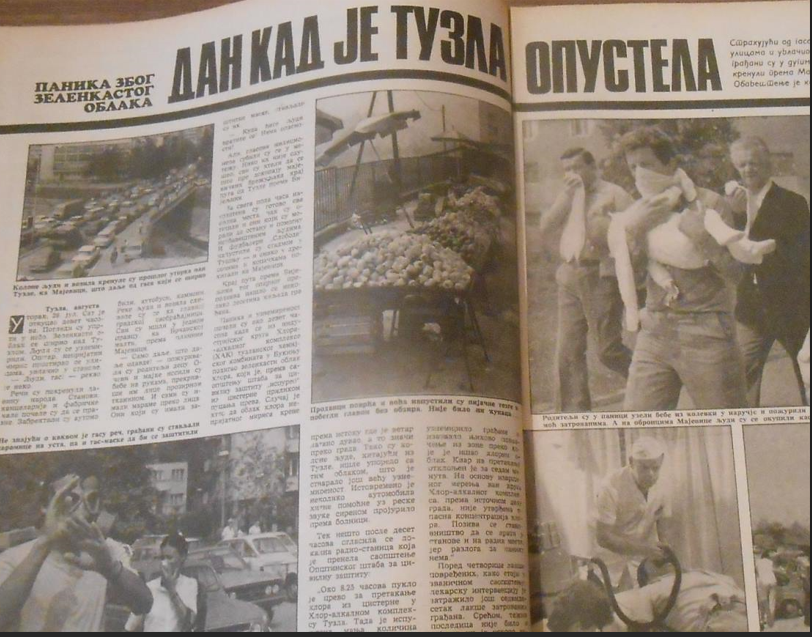
By the early 2010s, investigations confirmed elevated mercury levels at and around the site. Mercury is persistent and toxic. Near a river system, it can migrate through soil and water, accumulate in sediments, and enter food chains, creating long-term risks that are difficult and costly to reverse. The danger was not abstract — it was local, slow-moving, and unresolved.
HAK-1 became a MedProgramme priority because it combined high environmental risk with a lack of practical options. For Bosnia and Herzegovina, Tuzla represented a familiar but complex challenge: a historic industrial site built under past standards, fragmented data collected over time, strong public concern, and no agreed remediation pathway that was technically sound, affordable and locally feasible.
This gap between knowing the risk and being able to act on it brought HAK-1 under the GEF-funded Mediterranean Sea Programme (MedProgramme), specifically Child Project 1.1, which focuses on reducing pollution from harmful chemicals and wastes in identified hotspots and moving from assessment toward impact-oriented solutions.
In March 2023, Tuzla entered a broader Mediterranean conversation. As part of the Mediterranean Sea Programme (MedProgramme), representatives from seven countries met in Sarajevo to review progress on reducing pollution from hazardous chemicals. A field visit to HAK-1 followed.
That visit marked a turning point. HAK-1 was no longer viewed only as a local concern, but as a reference case — a site where regional experience, technical expertise and targeted support could be used to test how legacy industrial pollution can be addressed systematically, responsibly and in a way that enables real decisions rather than further studies.
Between 2022 and early 2025, MedProgramme support under CP 1.1, financed by the Global Environment Facility (GEF), moved from dialogue to delivery.
Through a Small-Scale Funding Agreement, the programme supported the University of Tuzla, Faculty of Mining, Geology and Civil Engineering, to prepare a comprehensive Environmental Sound Management (ESM) Plan for the HAK-1 site. The objective was clear: turn years of data and concern into a plan that decision-makers could actually use.
New field investigations strengthened the evidence base. Five boreholes were drilled to better understand subsurface conditions and contamination pathways. Soil, groundwater and construction materials were analysed using established reference thresholds, including a target mercury concentration of 0.3 mg/kg and an intervention value of 10 mg/kg. All tested materials within the former facility exceeded the intervention level, confirming that passive management was no longer sufficient.
As one of the technical leads involved in the work explained:
“This plan was designed for reality, not for paper. We assessed what is technically sound, what can be implemented locally, and what would actually reduce risk, not just shift it elsewhere.”
The ESM Plan focuses on solutions that can realistically be implemented in Tuzla. Rather than relying on externally dependent or high-risk approaches, it prioritises on-site measures that reduce exposure while remaining technically and financially feasible.
Using a structured decision-making approach, the preferred remediation pathway combines immobilisation, soil stabilisation and phytoremediation. In practical terms, this includes a sealed containment structure to prevent mercury migration, an underground protective barrier along the site’s north-western boundary, and soil treatment using mineral additives that laboratory testing showed could reduce mercury availability by more than 60 percent.
More complex alternatives, such as exporting contaminated soil for treatment abroad, were assessed but considered significantly more costly and operationally challenging, particularly given the absence of domestic remediation facilities.
The ESM Plan is deliberately transparent about costs. While export-based solutions would require substantial financial resources, the in-country remediation package proposed in the plan is estimated at 3.33 million BAM, including taxes and contingency.
The plan is equally clear about what remains unresolved. Monitoring is identified as the key enabling condition for implementation. At present, no institution is formally mandated or resourced to monitor mercury behaviour before, during and after remediation. The ESM Plan therefore defines a three-phase monitoring framework and highlights the establishment of such a system as a prerequisite for safe and credible implementation.
From the government perspective, this clarity matters:
“For years, we knew HAK-1 posed a risk, but we lacked a clear, realistic roadmap. With MedProgramme support, we now have a plan that translates evidence into concrete options and costs, and that is a decisive step forward for Bosnia and Herzegovina.”
By 2026, HAK-1 has moved from being a known environmental concern to a project-ready case. The MedProgramme, with financing from the GEF, has not remediated the site — nor was it intended to. Instead, it delivered what had been missing for years: a technically grounded, costed and context-appropriate plan that allows national and local authorities to move forward with confidence.
What happens next will depend on decisions, mandates and resources. But for the first time, Tuzla is no longer asking whether something can be done at HAK-1 — it has the tools to decide how and when.