


Building a shared vision for water and coastal management in Damour
In the Damour River Basin in Lebanon, the journey from mountain springs to the Mediterranean coast tells a story that is both geographical and deeply human. It is a landscape where water shapes livelihoods, ecosystems and communities — and where growing pressures are making that balance harder to sustain.
For years, decisions affecting the Damour area were often made separately. Water management, land use, agriculture and coastal planning followed different paths, even as the connections between them became increasingly visible. Declining water quality, rising demand and the salinisation of coastal aquifers have begun to affect both ecosystems and the people who depend on them.
The challenge was not a lack of information. It was a lack of shared understanding.
This is where the MedProgramme stepped in.
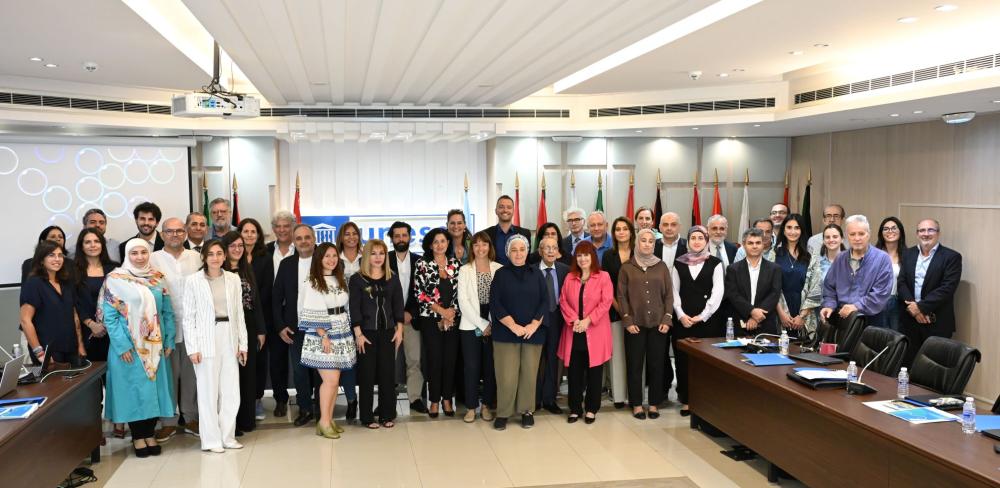
From 27 to 29 October 2025, representatives from ministries, municipalities, cooperatives, civil society, international organisations and local communities gathered in Beirut for the second stakeholder consultation on the development of an Integrated Management Plan for the Damour area. Building on earlier discussions, the meeting was designed not simply to exchange information, but to bring different perspectives together into a common understanding of the system.
Using structured analytical approaches, participants worked collectively to map how environmental pressures, economic activities and ecosystem changes are connected. Discussions moved beyond individual sectors, allowing stakeholders to trace how upstream water use, land management and coastal processes influence each other.
At the same time, participatory workshops created space to explore future scenarios and define a shared vision for the Damour area. Different voices — from national authorities to local actors — contributed to shaping how the region could be managed in a more coordinated and sustainable way.
What emerged was not just analysis, but alignment.
This became even more tangible during the field visit that followed. Travelling from the mountain springs of Safa and Ain Zhalta down to the coastal plains, participants engaged directly with farmers, water managers and local authorities. They saw how water availability influences agriculture, how pollution affects ecosystems, and how saltwater intrusion is increasingly threatening groundwater resources.
What had been discussed in meeting rooms became visible on the ground.
This combination of technical analysis and lived experience is at the heart of the MedProgramme approach. By bringing together science, policy and people, the Programme supports a more integrated way of understanding environmental challenges.
The Integrated Management Plan being developed for the Damour area reflects this shift. By linking land, river, aquifer, coast and marine systems, it promotes a source-to-sea perspective that aligns environmental protection with economic development and policy implementation.
Equally important, it is being shaped by those who will use it.
Participants’ inputs are helping refine the assessment and ensure that the plan reflects real environmental, social and economic conditions. This increases both its relevance and its potential for implementation.
The experience in Damour shows that effective environmental management does not begin with isolated expertise. It begins with people coming together to understand the system they share.
From mountain springs to the sea, the process is building more than a plan. It is building a shared foundation for decisions that can support water security, ecosystem health and sustainable development in the years ahead.