



Coastal Aquifers, Sustainable Futures: Protecting the Mediterranean’s Invisible Freshwater Reserves
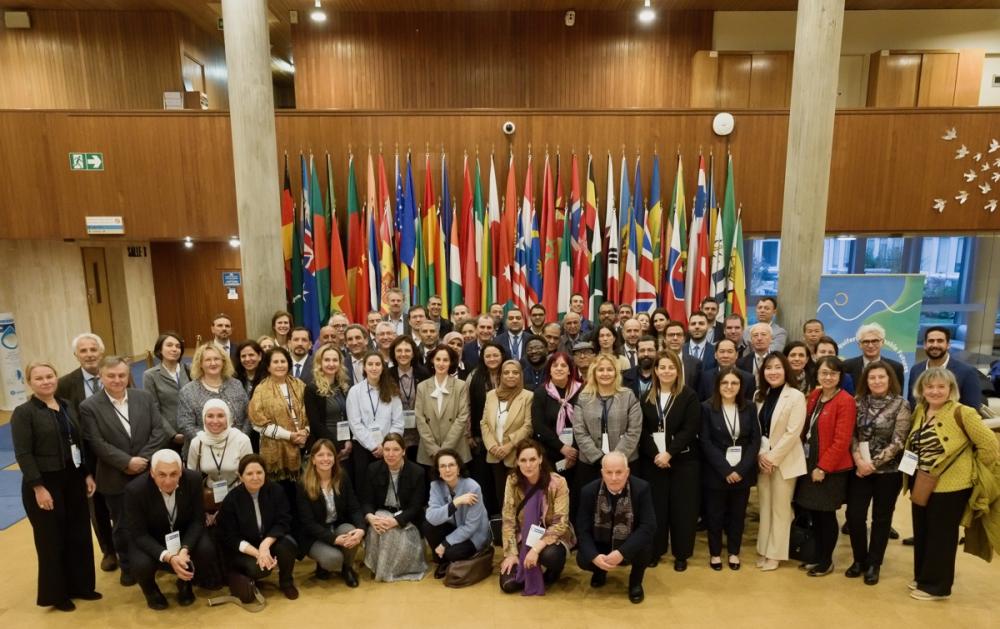
On 10 and 11 February 2026, UNESCO Headquarters in Paris hosted the International Symposium “Coastal Aquifers, Sustainable Futures”, bringing together more than 110 experts, scientists, policymakers and practitioners from across the Mediterranean region and beyond.
The Symposium marked a significant milestone, building on five years of work under the UNEP/GEF Mediterranean Sea Programme (MedProgramme), where UNESCO leads Child Project 2.1 on the Management of Coastal Aquifers and Related Ecosystems as executing partner. The gathering provided a platform to share achievements, lessons learned and the way forward in strengthening the sustainable and cooperative management of coastal groundwater systems.
Coastal aquifers are often invisible, yet they are critically important. They supply drinking water to millions of people, sustain agriculture, industry and tourism, and feed wetlands, lagoons and coastal ecosystems that protect biodiversity and buffer storms. At the same time, they are increasingly under pressure from over-extraction, pollution, uncontrolled urban expansion and rising sea levels that drive seawater intrusion. What happens below the surface directly shapes resilience, livelihoods and environmental security above it.
Throughout the Symposium, participants examined case studies from across the Mediterranean: the Rhiss-Nekkor aquifer in Morocco, Ras Jebel in Tunisia, the Jifarrah Plain in Libya, the Damour aquifer in Lebanon and the transboundary Buna–Bojana aquifer shared by Albania and Montenegro. Each site reflects different governance contexts and pressures, yet all highlight the fragile balance between land and sea.
Discussions focused on vulnerability assessments, groundwater-dependent ecosystems, submarine groundwater discharge and seawater intrusion, as well as integrated management tools and stakeholder engagement mechanisms. A central message emerged clearly: the Conjunctive Surface and Groundwater Management approach, combined with Source-to-Sea thinking and inclusive governance, is no longer optional. It is essential.
This video captures the spirit of the Symposium — a moment of scientific exchange, regional cooperation and shared commitment. Because protecting coastal aquifers is not only about managing water. It is about strengthening climate resilience, securing drinking water for communities, protecting ecosystems and ensuring sustainable futures for generations to come.